

Why careful removal saves trouble later
Safe work near obstacles
We plan the method around sheds, roofs, wires and the real space on site.
Straight fell or dismantle
The job is matched to the tree and site, not forced into one removal method.
Clear next step for the stump
We help you decide whether to leave, treat or grind the remaining stump.
When removal is the practical answer
Not every tree should stay where it is. Severe damage, poor condition, an unsuitable position or a planned site change can all make removal the clearest option. In Tunbridge Wells, we assess whether there is room for straight felling or whether the tree needs to be dismantled in sections and lowered in a controlled way. That matters when the tree stands close to buildings, fences, greenhouses, parked vehicles or the sort of corner that looked much larger when the tree was younger. Removal is not about rushing in with a saw. It starts with judging the tree and the space honestly.
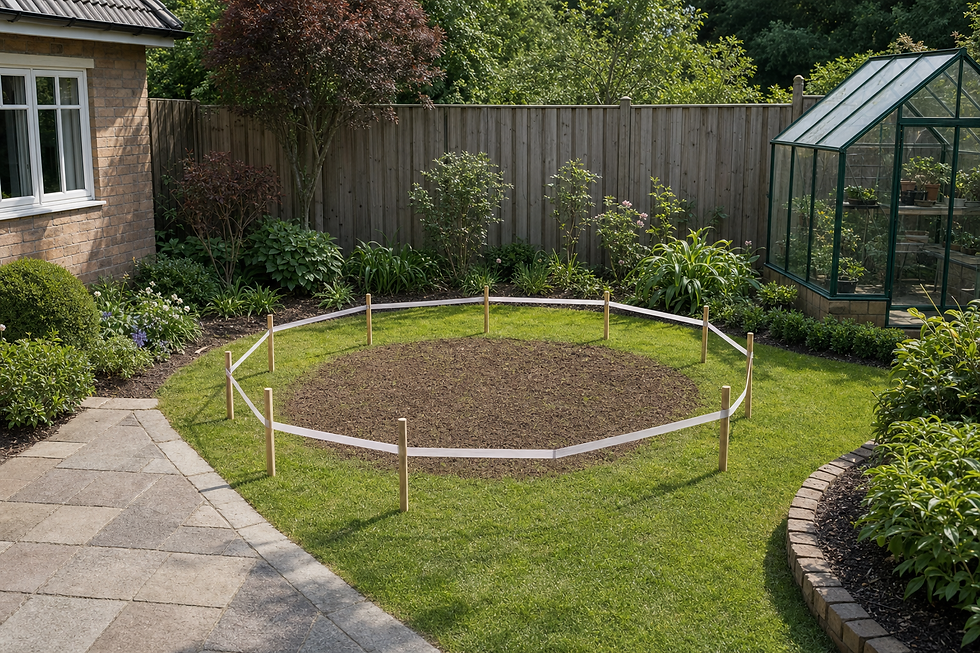
Planning the cut around lean, access and what is nearby
Before work begins, we look at the tree's lean, signs of decay, the drop zone, overhead constraints and the route in and out of the site. Those checks shape how we work and what equipment makes sense. If the tree is to come down, we also help you think about what happens next, because felling and stump treatment are related but separate decisions. Some customers want the stump left for the time being, while others want the area cleared properly for turf, planting or access. Where stump removal is needed, we can guide you into the most suitable next step.
Frequently asked questions
What is the difference between straight felling and sectional dismantling?
Straight felling brings the whole tree down in one planned direction and only suits sites with enough clear space. Sectional dismantling is used where buildings, boundaries or other obstacles mean branches and trunk sections must be removed and lowered in stages.
Do we need to remove the stump after felling?
Not always. It depends on how you want to use the area afterwards. If the stump will sit harmlessly out of the way, you may leave it for now. If it will obstruct mowing, paving, planting or access, stump grinding is often the tidier and more practical follow-on job.
What information helps us price tree felling?
Photos of the whole tree, its base and what stands around it are very useful. It also helps to tell us about access, nearby structures, parking, overhead lines, noticeable lean and whether you already know if the stump will need dealing with afterwards.